
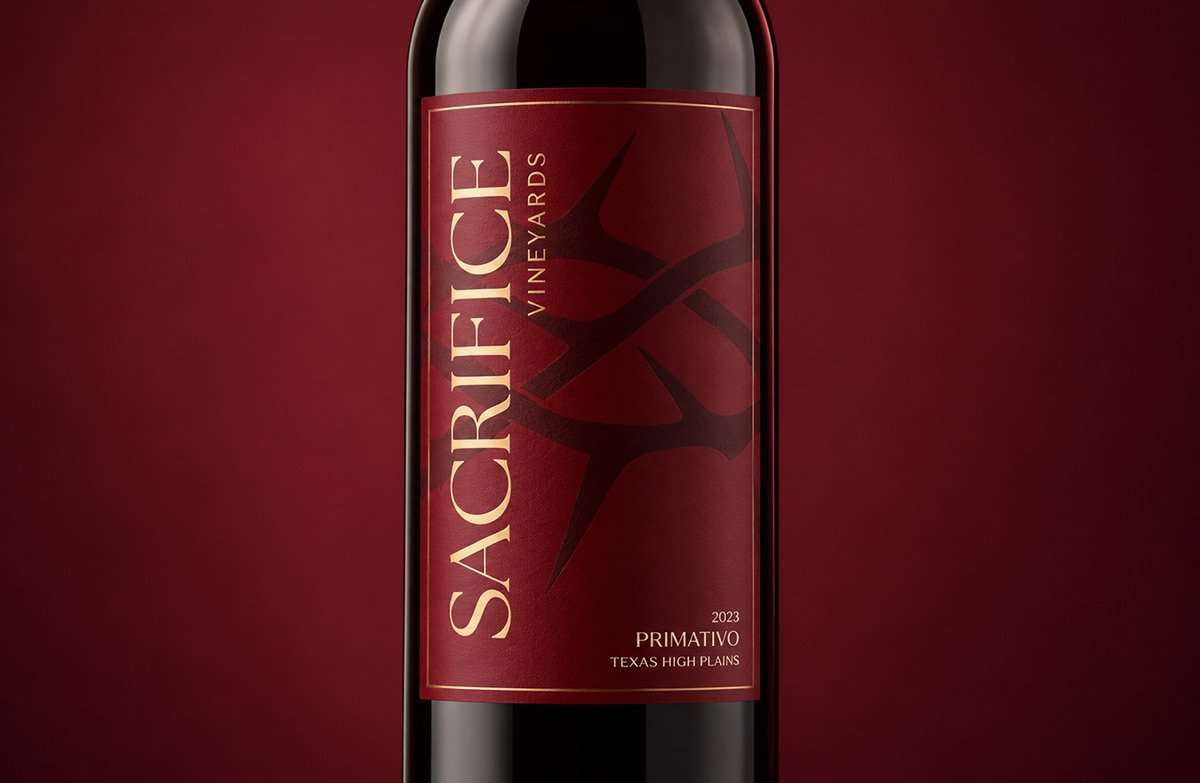
Recent years have seen a noticeable shift in how wineries and other businesses integrate values and beliefs into brand identity. What was once a subtle symbol (a fish icon sticker, maybe), has evolved into deeper, more personal expressions of faith. Many owners share their defining personal values more explicitly than ever as part of their brand’s story.
You’re likely familiar with companies like Hobby Lobby and Chick-fil-A, who boldly staked their marketing position on Christian values.
Overt religious branding can be controversial, but businesses that lead with personal identity and conviction often find success. That’s particularly true when those values resonate with their target audience. It works much like how identity-oriented “not necessarily values” themes (dogs, cars, sports or the environment) do.
According to Business Growth Coach Shannon Spencer, “The culture is becoming more values-driven, considering where we buy and who we buy from. Faith community members are following suit, supporting business with values in common. A growing number of people are coming to believe that God cares about what they do beyond church. In that, their work is part of His purpose as we serve others.”
In the first twenty five years of Sara Nelson Design’s existence, we simply didn’t see business owners building their business identity around their faith. That’s changed in recent years.
Wisdom Books
It was no surprise that Wisdom Book’s values were a reflection of owner Del Wisdom’s personal values. Del wanted a business that catered to relatively conservative Christians. He also wanted to ensure that those who worked in the store were more than cashiers. They had to walk the walk and be comfortable talking with others who might be going through challenging times. They had be willing to listen and take time to pray with them.
Whatley Wines
Melissa and Tyler Whatley developed a winery in Fredericksburg, Texas, building their brand around their faith as well. Their packaging strategy is to use each wine label to tell a personal story of how God is ever-present in their lives. Their front labels serve as a visual representation of a specific story. Back labels share an abbreviated version of the story. That turns the product into both a beverage and a delightful testimony.
Live Happy Lane
Similarly, Michelle and Ernie Mays of Live Happy Lane in Greenville, Texas, have committed their entire 80-acre resort project to their faith, seeking wisdom in every decision. Their logo features a sand dollar, which has a special significance for them and reminds visitors of their family’s Christian values. That connection isn’t just behind the scenes—they have woven it into the very fabric of their business model and guest experience.
In Contrada and Tucannon Cellars
Then there are places like In Contrada Winery in San Antonio and Tucannon Cellars in Benton City, Washington where faith shows up almost imperceptibly on product labels. A eference such as “John 3:16” encourages customers to look up the passage themselves, adding a layer of spiritual engagement to the purchase.
This growing trend reflects a broader movement of business owners openly sharing their values, whether that’s faith or something else. They invite customers to engage not just with a product, but with the values and beliefs that shape their brand. These businesses are making their journey a core part of their identity.
If we can help you figure out how to integrate the things that matter to you into your brand, feel free to reach out to us! Call us (509) 545-4584 or via the contact form on saranelson.com.