

NON-ALCOHOLIC
WINE LABEL DESIGN
Belonging Matters.
No- or low-alcohol wine (or spirits) gives guests a way to participate when alcohol isn’t an option, whether they want to linger over another glass, stay clearheaded without explaining their choice or just want to feel included.
Each brand begins with a different person in mind. Understanding
that person helps us build a brand that speaks to them.
Sara Nelson Design creates low- or no-alcoholic wine branding, label design and packaging for wineries and emerging beverage brands.
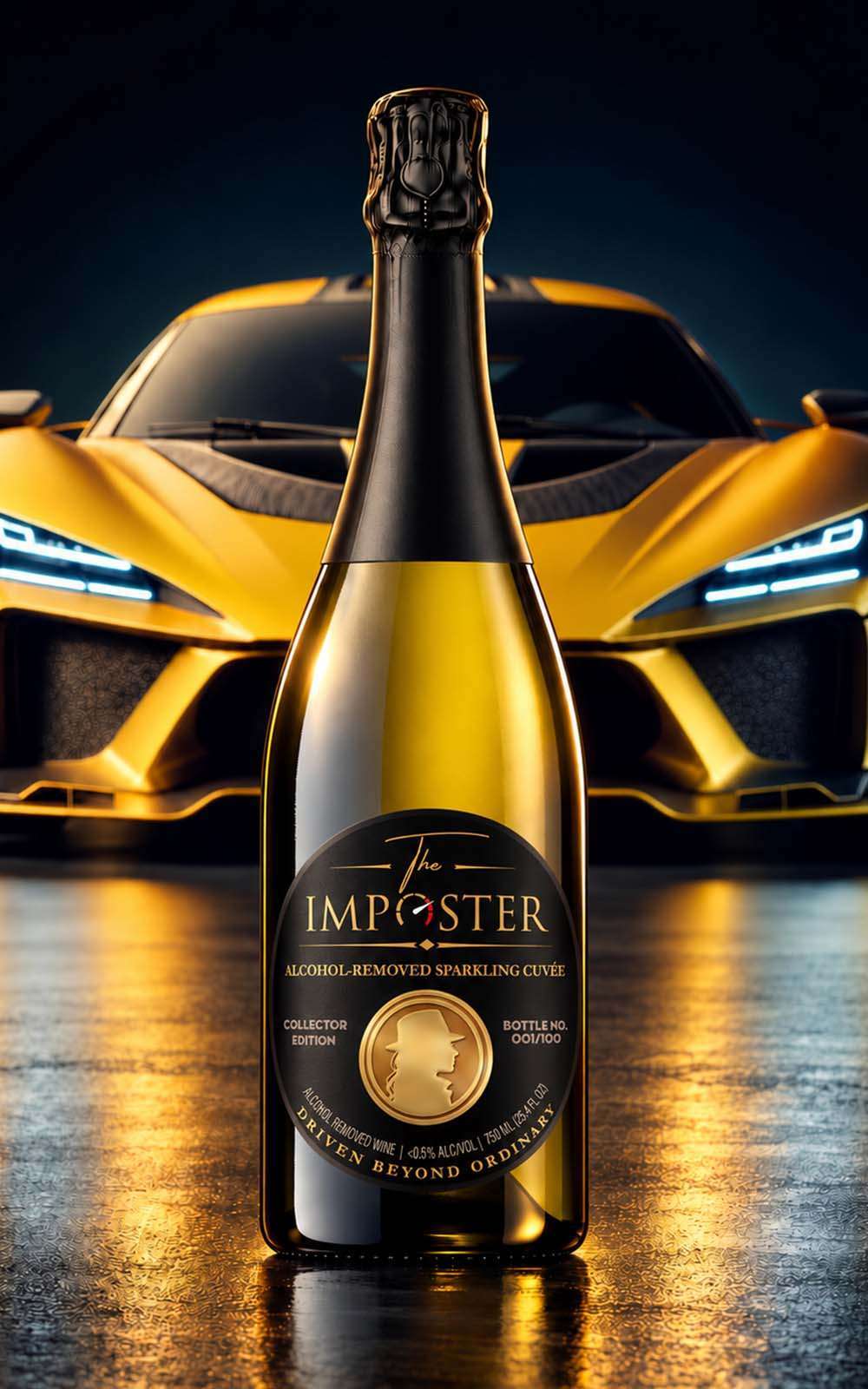
The Imposter
The taste is real
Our client owns a chapter of Fast Lane Drive, an international exotic car club. She creates highly curated experiences for members, often with occasions that call for a celebratory toast.
Her members avoid alcohol before performance driving, so she created The Imposter—a non-alcoholic sparkling wine designed for the same celebratory moment, without compromising the drive ahead.
A tachometer incorporated into the “O” connects the identity directly to the performance-driving culture it was created for.
The inaugural release featured 100 individually numbered Founder’s Club bottles presented in metal briefcases.
In Their Words
“Every conversation, recommendation and revision has helped transform an idea I have carried for years into something tangible.” —Hollykay Drinkard, Owner
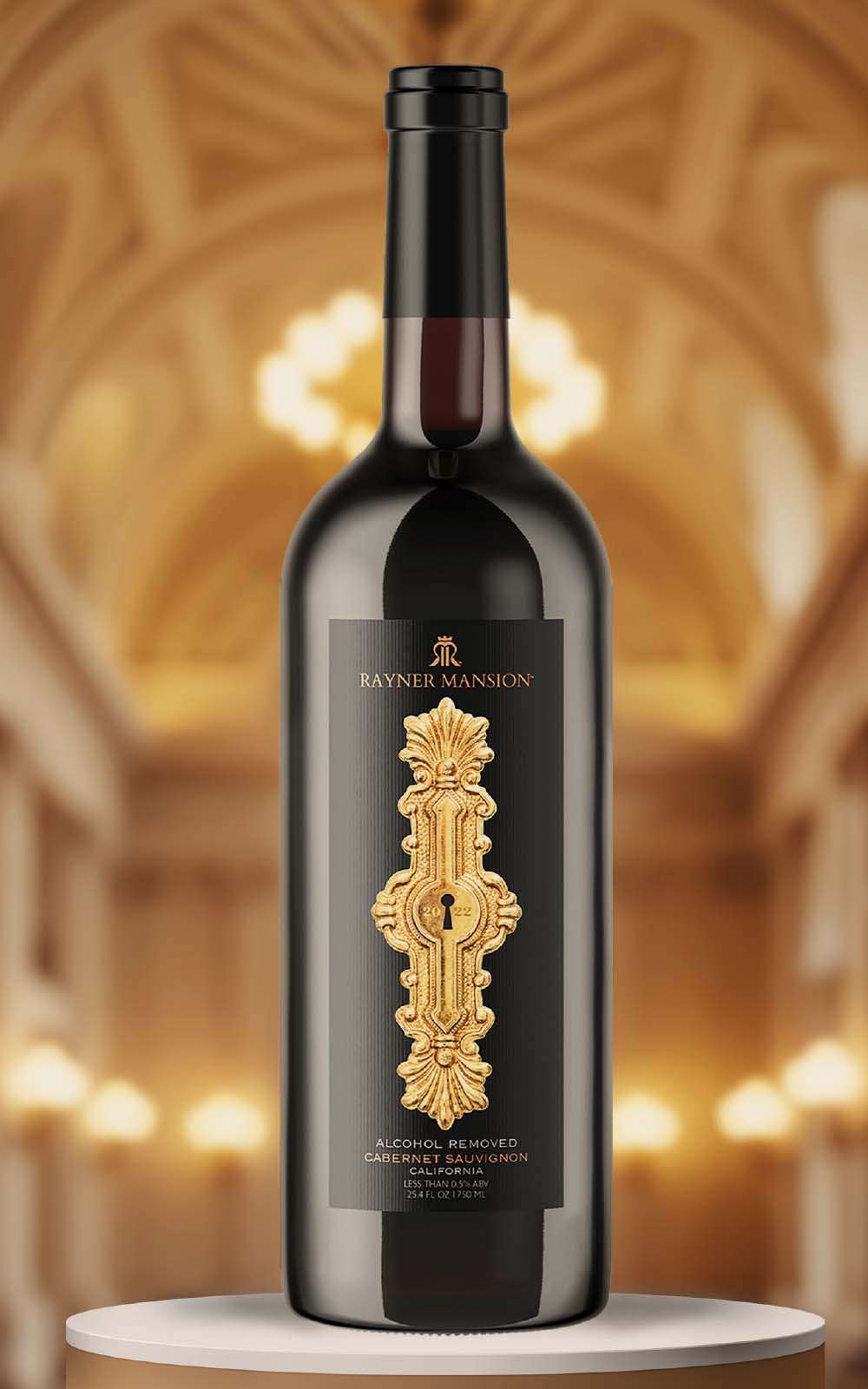
Rayner Mansion
An invitation to enter the Kingdom
Dimitri Rayner came to us with a vision for an "alcohol removed" wine brand inspired by John 14:2-3 “In my Father’s House there are many rooms...”
Rather than try to depict the magnificent home awaiting those who believe, we focused on the point of entry—the door, the keyhole and the promise of what lies beyond.
Awards & Recognition
American Package Design Award, 2026
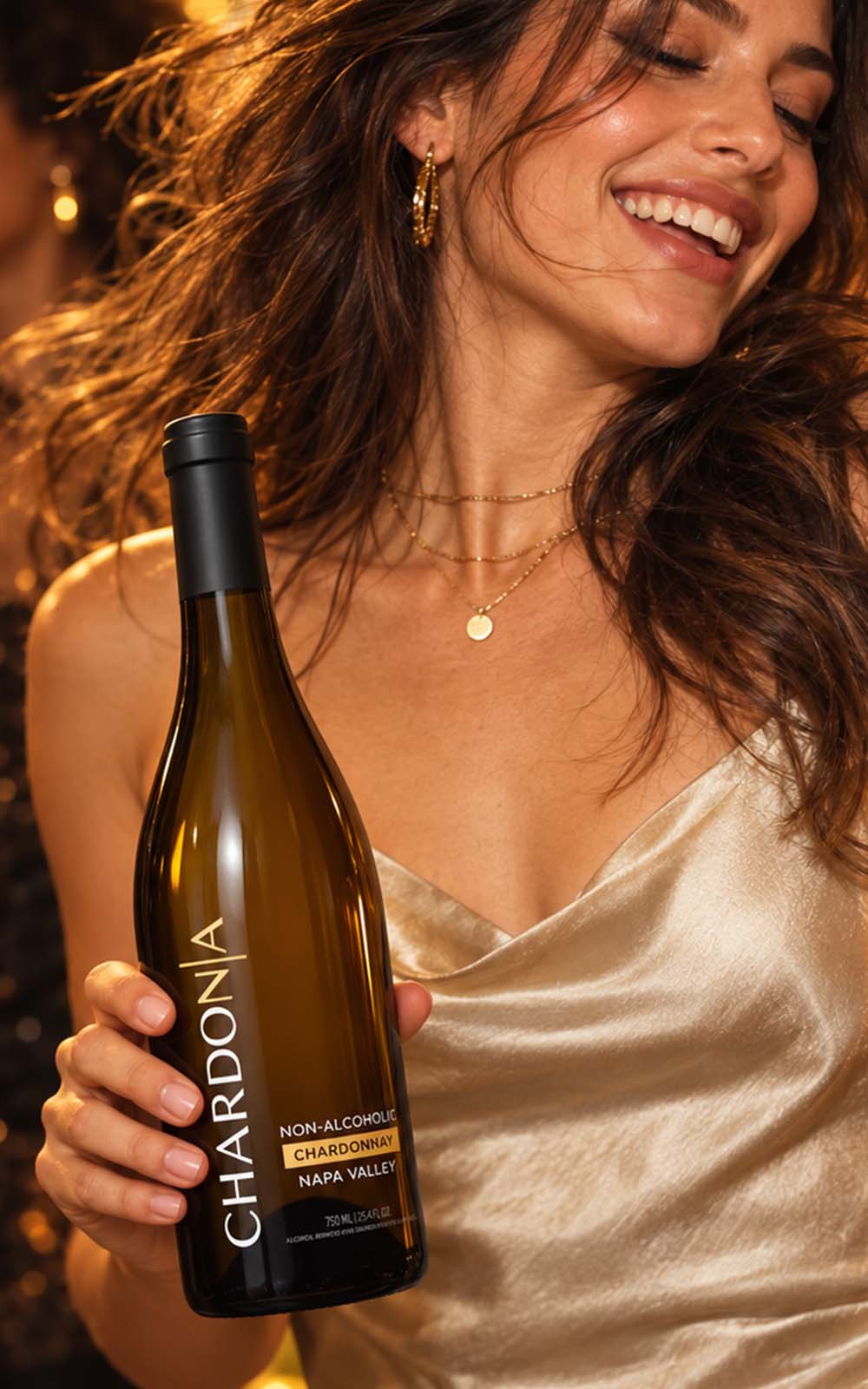
NA Wine
Confidently NA
NA Wine Co. chose to make NA a dominant part of its brand concept, weaving it into the varietal names: ChardoNA and CaberNA.
The wines begin as premium Napa Valley wines. The alcohol is then removed while preserving each wine's character.
Precious metal gold ink, containing real 18-karat gold particles, gives the bottles a luxurious feel.
The packaging makes choosing an NA wine feel bold and confident—with the added pleasure of a clear head in the morning.
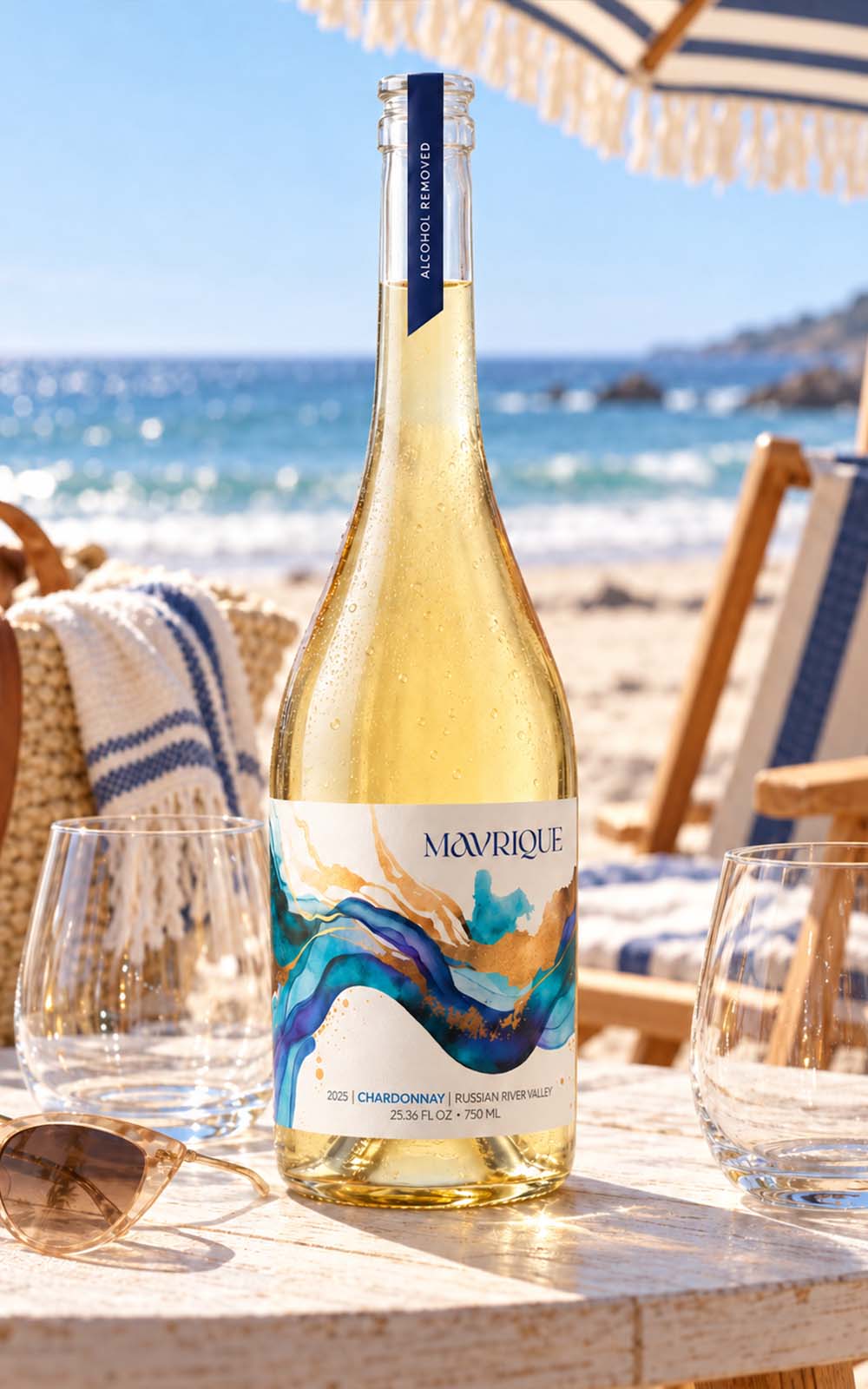
Mavrique
Fresh. Sophisticated. Sustainable.
Mavrique was created for people who love the tradition and ritual of wine and want the freedom to choose when to consume it.
The packaging reflects that balance. Vibrant watercolor artwork with flashes of gold gives the wines a fresh, celebratory presence, while the lightweight bottle supports the brand’s commitment to environmental responsibility. A clear-glass VinoSeal closure keeps the presentation contemporary, and a discreet neck label identifies the wine as alcohol-removed without allowing that message to dominate the brand.
Awards & Recognition
American Package Design Award, 2026
In Their Words
“People are raving about the packaging.” —Maggie Hoffman, COO
P.S. Cuvée
Every Celebration deserves a final note
Our client saw the celebratory toast as a moment everyone should be able to share.
We designed an envelope-like label with multiple layers engineered to hold a note card. Break the seal and lift the flap to discover one of twelve personal messages.
The reverse side invites recipients to share photos and videos of their celebration with the P.S. Cuvée community.
In Their Words
“Sara took my vision and transformed it into a path toward production. Through her creative insight and trusted connections, she brought together the right team to make the unconventional possible.”
—Hollykay Drinkard, Owner
Frequently Asked Questions
1. Do I need a nutrition panel on my non-alcoholic wine?
Often, yes. Wines containing less than 7% alcohol by volume must comply with applicable FDA food-labeling requirements, including ingredient, nutrition and allergen labeling. Some small businesses may qualify for exemptions from certain Nutrition Facts requirements.
2. What's the difference between non-alcoholic wine and alcohol-removed wine?
“Non-alcoholic” describes the finished beverage. “Alcohol-removed” or “dealcoholized” describes how it was made: wine was fermented first, then the alcohol was removed. FDA guidance says “alcohol-removed” or “dealcoholized” should appear with “wine” in the statement of identity. “Non-alcoholic” may also be used, while “alcohol-free” is reserved for products with no detectable alcohol.
3. Should it be obvious—or inconspicuous—that my wine is non-alcoholic?
That depends on whom you want to reach and when they’ll choose your wine. For some brands, NA is central to the appeal and should be easy to recognize. Others are designed to sit naturally beside traditional wines, allowing the brand to lead while the required wording remains clear.
4. Can I add a non-alcoholic wine to my existing brand or should it have its own identity?
Either can work. If customers already know your wines, a recognizable extension may make the new offering easier to find. If the audience, occasion or positioning is substantially different, a separate identity may make more sense. We look at who it’s for, where it will be sold and how closely it should relate to your existing wines.
5. What do you need from my producer before you can design the label?
We’ll need the wine’s final alcohol content, product description, ingredients, allergen and nutrition information, plus bottle specifications and glass color. If those details are still being decided, bring us in early—we may be able to help shape packaging choices before they become fixed.
6. Does a non-alcoholic wine label need TTB or FDA approval?
Wines containing less than 7% alcohol by volume generally do not require a federal TTB Certificate of Label Approval (COLA), and FDA does not preapprove food labels. The label must still comply with applicable federal requirements, and TTB formula approval may still be required depending on how the wine is produced. State requirements may also apply.
7. When should I bring you into the project?
As soon as you know who the wine is for and what you want it to accomplish. We can help shape the brand before decisions about the name, bottle and packaging narrow your options.
Start a Conversation